 Orlando Pirates FC Hub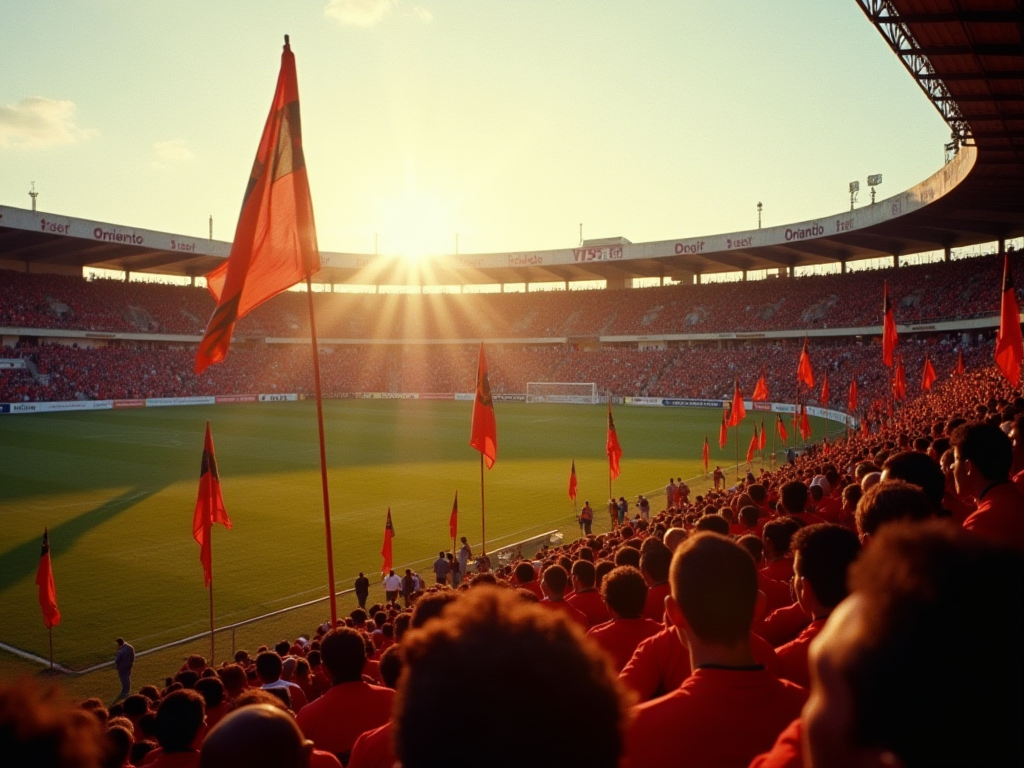
In the vibrant township of Soweto, Orlando Pirates FC has long been more than just a football club; it has been a symbol of hope, resilience, and communal pride. One of the most significant moments in both South African history and the club's legacy occurred in June 1976, during the Soweto Uprising, which saw thousands of students take to the streets to protest against the apartheid regime's imposition of Afrikaans as the medium of instruction in schools. This event would not only shape the political landscape of the nation but also solidify Orlando Pirates’ status as a beacon of resistance and unity for the local community.
The uprising began on June 16, 1976, and it was marked by tragic events that would resonate throughout South Africa. Students, armed with nothing but their voices and courage, faced off against the apartheid police, who responded with violence and brutality. The news of the uprising spread like wildfire, igniting a sense of awareness and urgency among South Africans, including the players and supporters of Orlando Pirates. In the midst of this turmoil, the club's role transcended the football pitch; it became a platform for expressing the struggles and aspirations of the black community in Soweto.
Orlando Pirates, known as Ezimnyama Ngenkani, which translates to "the animals that never die," took on a new meaning in the wake of the uprising. The resilience displayed by the community mirrored the fighting spirit of the team. Players such as the legendary goalkeeper, William "Ace" Khumalo, and the dynamic forward, Jomo Sono, became not just athletes but symbols of hope and defiance. The passion and energy of the fans surged, and matches at Orlando Stadium transformed into gatherings where politics and sports intertwined, allowing supporters to express their frustrations and dreams in a safe space.
In the aftermath of the uprising, the Pirates' matches became a rallying point for solidarity. The fan base grew more vocal, using the platform to advocate for change and express their discontent with the oppressive government. The club's iconic black and white colors became synonymous with the fight against apartheid, and every goal celebrated was a step towards liberation. This period in the club's history laid the foundation for the deep-rooted connection between Orlando Pirates and its supporters, one that continues to thrive today.
By the end of the 1970s, Orlando Pirates had established itself not only as a top contender in domestic football but also as a vital part of the socio-political landscape of South Africa. The 1976 Soweto Uprising marked a turning point that would influence the club's ethos for decades. It highlighted the importance of football as a tool for social change, uniting people from diverse backgrounds around a common cause.
As we reflect on the legacy of the Orlando Pirates, it is essential to recognize how the club has evolved and responded to the historical challenges faced by its community. The spirit of the 1976 uprising lives on, reminding us that Orlando Pirates is not just a team but a movement, embodying the resilience and determination of a people who refused to be silenced. In every chant, every match, and every triumph, the echoes of that historic moment continue to inspire the current generation of players and fans alike.